

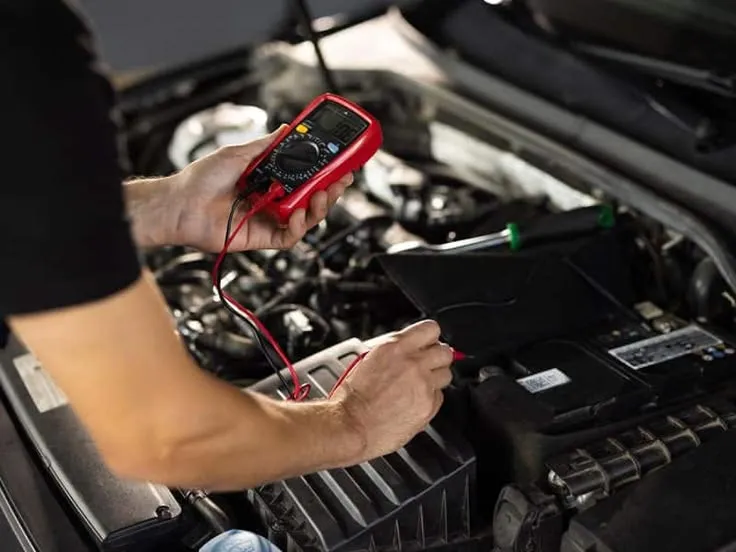
A car that refuses to start can disrupt an entire day, especially when the problem appears without warning. Clicking, slow cranking, or failure to fire can seem similar. Yet each symptom can point toward a different system. Scheduling car battery replacement woodstock services may be appropriate when testing confirms a failing battery, but replacing it without diagnosis can leave the original fault untouched. Understanding starting and charging supports better repair decisions.
First, Notice What Happens at the Key
When you turn the key or press Start, observe whether the dashboard lights illuminate and whether the engine cranks. A rapid clicking noise with weak electrical power can indicate a discharged battery or poor connections, but it does not prove which component has failed.
A single click may suggest a starter-related problem, while an engine that cranks normally without starting could involve fuel, ignition, or other control systems. Record the behavior; repeated cranking can drain the battery further.
Understand the Battery’s Actual Job
The battery provides electrical energy needed to start the engine and support vehicle systems. Once the engine runs, the charging system generally replenishes the battery and supplies electrical power. Short trips, age, corrosion, and electrical draws can affect starting reliability.
Testing should assess more than voltage at rest. A technician may perform an appropriate battery load test, inspect cable connections, and check charging performance. Replacing an otherwise healthy battery will not solve a faulty alternator, corroded connection, or persistent electrical drain.
Consider the Starter and Charging System
The starter motor turns the engine during a normal starting attempt. A worn starter, faulty relay, damaged cable, or control issue may prevent cranking even when the battery is capable of supplying power. Similar symptoms can require different repairs.
A failing alternator can also leave the battery discharged after driving. Art of Speed checks alternator output and starter performance. Ask for the confirmed diagnosis rather than approving several replacements simply because the symptoms are intermittent.
Gather Clues Before Booking Service
Describe the events without attempting unsafe electrical repairs. Note whether trouble occurs after the car sits overnight, following a short drive, or only during very hot or cold weather.
Useful information includes:
-
Whether the engine cranks slowly, normally, or not at all.
-
Clicking sounds, warning lights, or unusually dim lights.
-
Recent jump starts or battery replacement history.
-
Accessories that may remain powered while parked.
-
Whether the vehicle stalled before it stopped starting.
Share these details with the shop. Avoid touching damaged battery cables or attempting a jump start if the battery is leaking, swollen, or otherwise visibly unsafe.
When the Engine Cranks But Will Not Fire
A normal cranking speed usually suggests that the starting motor is operating, but it does not establish that every electrical component is healthy. Fuel delivery, ignition, sensors, and engine control issues may still prevent combustion. A diagnostic scan can guide further investigation.
Persistent misfires, loss of compression, or mechanical timing faults require a different approach from battery service. Professional engine repair woodstock diagnostics may help establish whether the problem involves routine ignition components or a more substantial engine fault. A scan code alone is not a complete diagnosis.
Know When to Stop Trying
Repeated attempts to start a stalled vehicle can drain the battery and sometimes worsen certain faults. If you smell fuel strongly, see smoke, or notice damaged wiring, do not continue operating the starter. Move away from hazards and seek professional assistance.
If a vehicle stops running in traffic, focus first on reaching a safe location and contacting roadside assistance. A jump start may restore operation when the battery is merely discharged, but recurring failures deserve proper testing instead of repeated temporary boosts.
Prevent Unnecessary Repeat Repairs
After a repair, ask what caused the problem and which tests confirmed it. If the battery was replaced, find out whether the charging system and connections were checked. If a starter was repaired, ask whether the related cables and controls were evaluated.
Keep invoices and record the circumstances of any future no-start event. Patterns help technicians investigate intermittent faults. Documentation also supports warranty discussions.
Conclusion
A no-start vehicle does not automatically need a new battery. The key distinction is whether the engine fails to crank, cranks weakly, or turns normally without firing. Battery testing, charging checks, starter diagnosis, and engine evaluation help narrow down the cause.
Woodstock motorists can review battery and engine services through artofspeedga.com when unexpected starting problems arise. Accurate symptoms and appropriate testing support targeted repairs, reduce wasted spending, and help drivers return to dependable transportation without relying on guesswork.