

A community recreation center may host exercise classes in the morning, a neighborhood meeting in the afternoon, and a small exhibition at night. That variety creates flooring demands that are different from those in a single-purpose office. For managers considering sealing concrete floors, a sensible starting point is to examine how people, furniture, and equipment use the space. Appearance matters, but cleaning, traction, acoustic comfort, and the condition of the slab should shape the final choice. A flexible venue benefits from decisions that suit its ordinary schedule rather than one special event.
Observe the Building in Use
Start with the busiest times of the week. Visitors may queue near entrances, drag chairs into meeting rooms, or move exercise equipment between activities. These repeated actions can concentrate wear in particular areas even when the building feels quiet most days.
Record which rooms need frequent rearrangement and where spills or tracked-in rain are most likely. A short period of observation can provide more useful information than choosing a finish from photographs of empty rooms.
Understand Grind-and-Seal Finishes
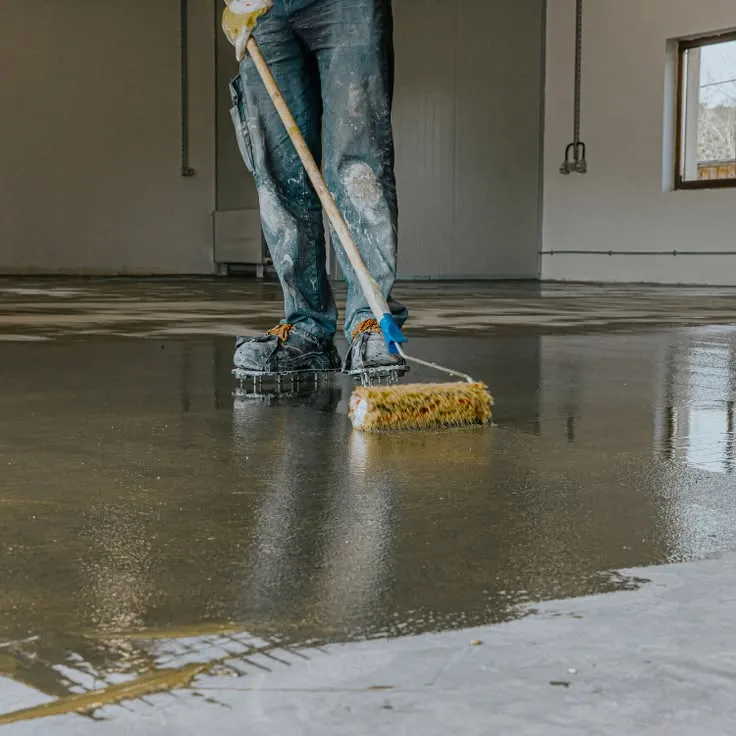
A grind and seal concrete floor is produced by mechanically preparing suitable concrete and applying a compatible sealer. The approach differs from mechanically polishing the slab through successive refinement stages. It also differs from installing a thick decorative resin system.
The appearance of a sealed floor depends on the condition of the concrete, depth of grinding, and selected sealer. Repairs and aggregate variations may remain visible. Requesting a sample area can help managers set realistic expectations about gloss and color.
Think About Foot Traffic and Furniture
Activity spaces handle repeated chair movement, folding tables, storage carts, and people wearing different kinds of footwear. A finish should tolerate those ordinary demands without requiring a complicated maintenance routine after every booking.
Suitable furniture feet and careful equipment handling can reduce scratching. Managers should also consider where rolling carts cross transitions between different floors. A protective sealer cannot correct a hazardous threshold or an unstable concrete slab.
Put Traction Ahead of Shine
Public venues sometimes become wet near entrances, water fountains, or cleaning areas. High gloss may suit certain interiors, but it should not be assumed to provide appropriate grip under every condition. Surface texture and slip-resistance requirements need evaluation.
Entrance mats, prompt spill response, and clear walking routes remain important regardless of the finish. Check relevant accessibility and building requirements when upgrading a venue open to members of the public.
Ask Questions Before Approving Work
A facility manager should understand what is included in the preparation and finishing process. Useful questions include:
-
Will old adhesives or damaged coatings need removal?
-
Are cracks and previous repairs likely to remain visible?
-
What level of sheen can the existing slab achieve?
-
How will dust, noise, and temporary closures be managed?
-
Which cleaning products and equipment are compatible?
These details help compare proposals and make the installation easier to coordinate with scheduled activities.
Consider Acoustics and Lighting Separately
A sealed concrete surface may support easy movement, yet hard floors can reflect sound in large rooms. Group classes, social events, and stacked chairs may create noise that a change in flooring alone will not solve.
Acoustic ceiling treatments, upholstered furniture, and thoughtful room layouts can help manage sound. Similarly, view flooring samples under the building’s normal lighting. A reflective finish can look very different during daylight and evening events.
Schedule Work Around the Calendar
Grinding and sealing may require removal of furniture, controlled access, and time for protective materials to cure. Managers should not assume that the room can immediately host a crowded event once the last coat has been applied.
Ask the installer about pedestrian use, cleaning restrictions, and the return of heavy equipment. Where possible, schedule work during a quiet period and give regular users clear notice of temporary room changes.
Create Simple Maintenance Instructions
After reopening, staff and volunteers need an easy cleaning procedure. Remove abrasive grit regularly, address spills promptly, and use products approved for the actual sealer. Avoid using aggressive methods simply because the floor is concrete.
Keep a record of installation products and inspect high-traffic areas for wear. If the venue changes its activities, review whether the original floor specification still suits the new demands.
Conclusion
Community venues need flooring that accommodates varied activities without complicating daily management. A grind-and-seal finish may be an option where the concrete is suitable, but its performance depends on preparation, traction, appropriate use, and maintenance. Managers should balance appearance with accessibility, lighting, and the event calendar before approving an upgrade. For public and recreational properties considering concrete finishing in Cincinnati and Northern Kentucky, kingcustomcoatings.com outlines grind-and-seal and related services. Thoughtful planning can create a welcoming space that remains practical as local needs change.