

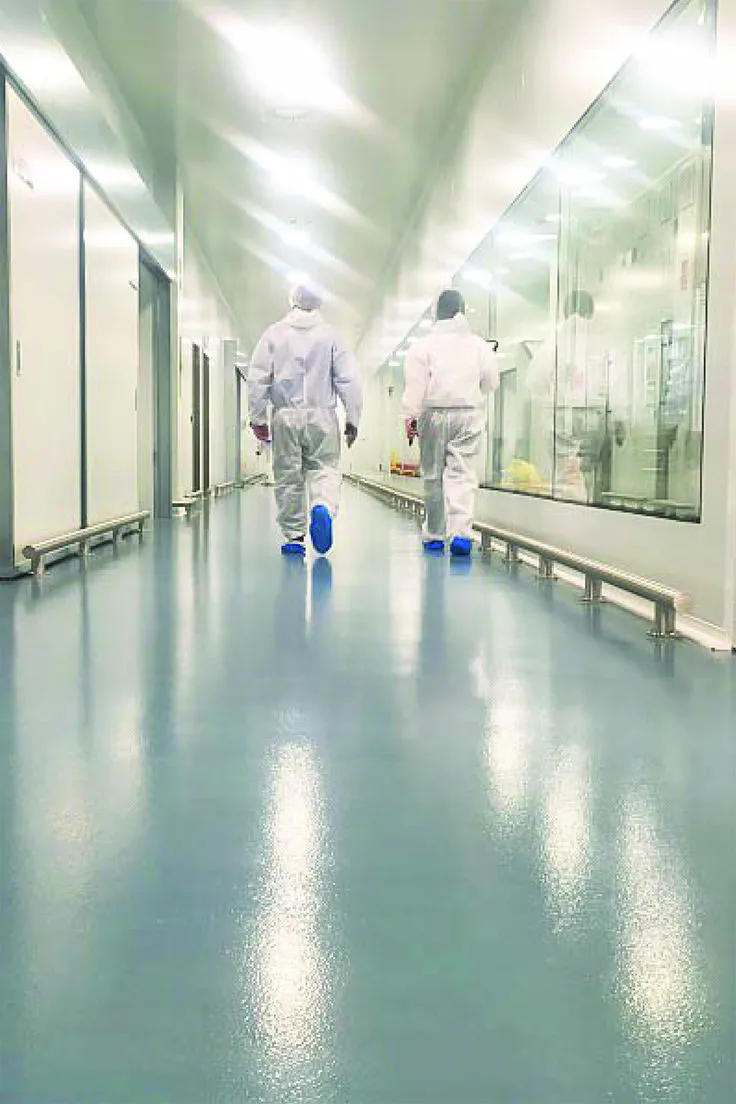
Pharmaceutical facilities operate under demanding conditions where cleanliness, material compatibility, and controlled processes matter every day. Floors must accommodate staff movement, equipment, cleaning chemicals, and procedures intended to limit contamination. A damaged or poorly maintained surface can create additional cleaning difficulties, particularly around joints and worn areas. Choosing a suitable pharmaceutical industrial coating service requires understanding these operational demands before installation begins. The objective is not simply to create an attractive floor but to select a system that supports the facility’s documented cleaning and maintenance requirements.
Why Pharmaceutical Floors Need Special Attention
Pharmaceutical environments vary considerably, from laboratories and packaging areas to production rooms and storage facilities. Each space may encounter different equipment, substances, and cleaning procedures. A laboratory floor might require resistance to specific chemicals, while a packaging area may prioritize smooth movement of wheeled equipment.
Some controlled environments also have requirements involving particle generation or contamination control. These differences mean a single flooring specification cannot automatically serve every department.
Facility managers should begin by documenting operational conditions and applicable regulatory requirements before comparing materials or installation proposals.
Seamless Surfaces and Cleaning Efficiency
Traditional flooring systems with numerous joints may create additional areas where residue accumulates. Seamless resin systems can reduce these interruptions and support established cleaning procedures. However, seamless flooring does not make an area sterile or eliminate the need for appropriate disinfection.
Surface texture must also be considered. A highly textured finish may provide useful traction but require more effort to clean thoroughly. The correct balance depends on the room’s activities and cleaning protocols. Floor-to-wall transitions and other installation details may require special attention in controlled areas.
Chemical Compatibility Cannot Be Assumed
Pharmaceutical and healthcare facilities may use disinfectants, cleaning agents, and process-related chemicals that affect flooring materials differently. Epoxy systems offer useful chemical resistance, but their performance depends on the formulation, concentration of substances, temperature, and exposure duration.
Some environments may benefit from alternative resin systems, including suitable polyurethane cement products. A contractor should review the facility’s chemical inventory and the manufacturer’s resistance information before recommending materials. This assessment helps avoid selecting a coating that performs well under ordinary conditions but deteriorates when exposed to routine sanitation procedures.
Questions for Facility Planning Teams
Before approving a flooring specification, maintenance and quality teams should review several operational considerations.
-
Room classification: Identify any applicable controlled-environment requirements.
-
Cleaning procedures: Review disinfectants, concentrations, and exposure frequency.
-
Equipment loading: Assess machinery, carts, and concentrated loads.
-
Surface transitions: Evaluate joints, corners, and wall connections.
-
Installation access: Plan how restricted areas will be isolated during work.
These discussions help ensure that flooring choices support actual processes rather than relying on general durability claims or decorative preferences.
Working With Qualified Installation Professionals
Experienced commercial epoxy floor contractors should understand the importance of substrate assessment, preparation, and product specifications. Existing concrete may contain cracks, moisture-related problems, or previous coatings that compromise adhesion. Mechanical preparation creates a suitable bonding profile, while damaged sections may require repairs before coating application.
In pharmaceutical environments, dust control, work-area isolation, and coordination with site procedures deserve particular attention. Facility representatives should request clear documentation of the proposed materials, installation stages, curing requirements, and conditions for returning the area to normal operation.
Managing Work Within Controlled Facilities
Renovating flooring inside an active pharmaceutical facility requires careful coordination. Production schedules, personnel movement, and environmental controls may restrict when work can begin. Some projects require temporary shutdowns or work-area segregation to prevent construction activities from affecting nearby operations.
Preparation methods can generate dust and debris, while coating application may introduce temporary ventilation requirements. The facility should assess these concerns through its established change-control and safety procedures.
Installation completion does not necessarily mean the area is immediately suitable for regulated operations; required inspections and release procedures must also be followed.
Evaluating Performance After Installation
A new floor should be assessed against its intended operational requirements rather than appearance alone. Maintenance teams can monitor cleaning effectiveness, coating wear, joint conditions, and any recurring areas of damage. Where required, qualification or verification activities should follow the facility’s documented quality procedures.
Regular inspections may identify problems associated with equipment movement, chemical exposure, or unsuitable cleaning methods. Records of repairs and maintenance can also support future flooring decisions.
This approach treats flooring as part of the facility’s broader maintenance system rather than a one-time improvement.
Conclusion
Pharmaceutical flooring requires careful consideration of hygiene, chemical compatibility, substrate condition, and operational procedures. Seamless protective systems can support effective maintenance when appropriately specified, installed, and managed. However, regulatory compliance and contamination control depend on more than the flooring material alone. Facility managers seeking specialized resin flooring services around Cincinnati and Northern Kentucky can review available healthcare and industrial coating solutions through kingcustomcoatings.com while planning improvements suited to their operational requirements.