

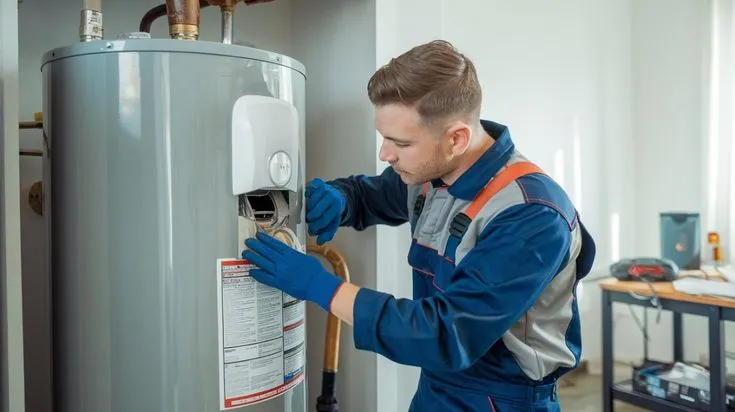
Replacing a hot water system is not a decision most homeowners make every year. When an existing unit becomes unreliable, the immediate temptation is to choose another system that looks similar and move on. Yet a replacement is a useful opportunity to reconsider capacity, household demand, installation requirements, and the condition of the existing setup. A little planning can help you choose a system that makes practical sense for your home.
Know Why Replacement Is Needed
The first question is whether replacement is actually the right step. A system may stop working because of one faulty component, while another may have reached a point where continued repairs are becoming less practical.
Consider the age and general condition of the unit, along with its repair history. If things keep breaking, your math changes. That is even more true when you have already had to fix a few parts.
What your house needs counts a lot as well. If the current system has consistently struggled to provide enough hot water, replacing it with another unit of similar capacity may simply repeat the same inconvenience.
Match Capacity to Your Household
A hot water system should suit the people using it, not just the available space where the old unit sits. A household with one or two occupants may have very different requirements from a larger family with several bathrooms.
Think about when hot water is normally used. Morning showers, evening bathing, laundry, dishwashing and other activities can create periods of high demand.
It is also worth considering whether your household has changed since the existing system was installed. A system that worked well several years ago may no longer provide the same level of convenience after a family grows or daily routines change.
Look at the Existing Installation
Replacement is not always as simple as removing one unit and connecting another. The existing plumbing, electrical connections, location, access and supporting components can all influence the installation.
The available space deserves attention as well. A replacement system may have different dimensions or connection requirements from the previous unit.
This is one reason working with Electric hot water replacement specialists can be useful. A professional can assess the existing arrangement and identify installation considerations before the replacement begins, rather than treating the job as a simple like-for-like swap.
Think About Everyday Performance
A new system should provide practical performance for the way your household actually lives. Capacity is one part of this, but recovery and usage patterns can matter too.
For instance, if multiple users require hot water at the same time and in quick succession, the system must meet this demand in an appropriate manner. However, the same setup may not be required for a household with relatively low consumption as for a large family.
Instead of choosing based solely on what another household uses, consider your own routines. The most suitable replacement is generally the one that fits the property’s requirements and expected usage.
Consider Whether Gas Is an Alternative
Homeowners replacing an electric system may naturally look for another electric unit, but the replacement decision can also be an opportunity to discuss available alternatives.
A gas system may be appropriate for properties that already have appropriate infrastructure. But the options are practical only if the property, connections, installation, preferences of the homeowners and the local regulations are taken into account.
Someone searching for Gas hot water replacement Ormiston may therefore be at a slightly different decision point from someone specifically committed to replacing an electric system. Comparing options with a qualified professional can help clarify what is realistically suitable rather than assuming one technology will work equally well in every home.
Consider Installation Alongside the System
Replacing equipment is just a part of the replacement process. Getting a pro to set it up is key. The new unit needs real care so it gets hooked up right, put in the best spot, and tested before you use it.
Discuss preparation required prior to installation and if changes are needed to the existing setup. These may impact the approach to the work if access is difficult or the new unit is very different from the old unit.
It is also sensible to understand what happens to the old system. Removal and disposal may form part of the overall job, depending on the service arrangement.
Avoid Choosing on Price Alone
When replacing household equipment, the cost is important, but the low-cost alternative isn’t necessarily the right choice. A system that is not adequate to meet household needs or needs to be extensively modified can lead to compromises later.
Instead, you really want to check if the unit fits your life, how you use it, what setup it takes, your room size, and how well it holds up over time.
Sorting out these choices gets much easier if you just talk it through with an expert. Questions can be asked regarding capacity, installation, maintenance and why a specific option is recommended.
Conclusion
When choosing a replacement hot water system, it’s not just a case of picking a new system off a list. There are many factors to consider, and they include household size, water usage, system condition, available space, existing connections and installation requirements. When the home is able to accommodate it, it’s also a good idea to compare electric and gas options, especially if the existing system isn’t working for you. A thorough review of these factors can result in a more effective decision on replacement. When considering the replacement of their next hot water system, homeowners can seek more professional advice with the services offered by dkplumbing.com.au.