

High-rise commercial buildings require ongoing maintenance to remain safe, compliant, and structurally sound. While building owners often prioritise visible repairs, two critical aspects of exterior maintenance are frequently overlooked: cladding maintenance and anchor point systems. Together, these elements play a vital role in ensuring both the safety of occupants and the efficiency of future maintenance work.
Investing in ACP cladding maintenance Sydney and anchor point installation Sydney helps property owners protect their buildings from deterioration while providing safe access for inspection, cleaning, painting, and repair works. Rather than treating these services separately, incorporating them into a planned maintenance strategy can improve building performance and reduce long-term costs.
Understanding ACP Cladding Maintenance
Aluminium Composite Panel (ACP) cladding has been widely used on commercial buildings due to its modern appearance, lightweight construction, and durability. However, like any exterior building material, ACP cladding is continuously exposed to harsh environmental conditions such as UV radiation, rain, wind, pollution, and temperature fluctuations.
Over time, these conditions can affect the performance of the cladding system. Panels may become damaged, sealants may deteriorate, and fixings can loosen due to natural building movement. If these issues are not identified early, they can allow moisture to penetrate behind the cladding, increasing the risk of water damage and structural deterioration.
Regular inspections help identify developing problems before they become major repair projects, allowing building owners to maintain both the appearance and integrity of their facades.
Why Anchor Points Are Equally Important
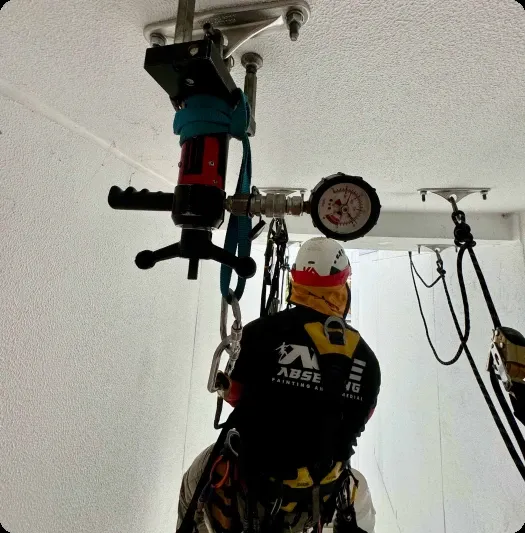
Maintaining a high-rise building requires technicians to safely access difficult-to-reach areas. This is where anchor point installation Sydney becomes essential. Anchor points are permanent safety systems that allow rope access professionals to carry out inspections and maintenance while working at height.
Without properly installed anchor points, many routine maintenance tasks become more complicated, expensive, and time-consuming. Safe access systems not only protect workers but also improve the efficiency of maintenance projects by reducing the need for extensive scaffolding or elevated work platforms.
Professionally installed anchor points should be inspected and maintained regularly to ensure they continue to meet Australian safety requirements.
How These Services Work Together
ACP cladding maintenance and anchor point systems are closely connected because one supports the safe delivery of the other. Building maintenance professionals often rely on anchor points to inspect, clean, repair, and maintain exterior cladding systems safely and efficiently.
When both services are incorporated into a planned maintenance program, property owners benefit from improved access to building facades and more frequent inspections. This makes it easier to identify defects early and complete repairs before they escalate into larger structural issues.
A coordinated maintenance approach can help:
-
Improve worker safety during high-rise maintenance.
-
Detect cladding defects before significant damage occurs.
-
Reduce reliance on costly access equipment.
-
Extend the lifespan of facade systems.
-
Minimise long-term maintenance expenses.
Supporting Building Safety and Compliance
Building owners have a responsibility to maintain safe environments for occupants, contractors, and the public. Damaged cladding panels or poorly maintained access systems can increase safety risks and create compliance concerns.
Routine inspections help ensure cladding remains securely fixed, protective sealants continue to perform effectively, and anchor point systems remain suitable for ongoing maintenance activities. Maintaining these critical building components demonstrates a proactive approach to asset management while supporting compliance with Australian building and workplace safety standards.
Regular maintenance records can also provide valuable documentation during building audits, insurance assessments, and future refurbishment projects.
Reducing Long-Term Maintenance Costs
Preventative maintenance is significantly more cost-effective than waiting until extensive repairs become necessary. Small issues identified during scheduled inspections are generally easier and less expensive to rectify than widespread facade failures or emergency maintenance.
Similarly, installing permanent anchor points allows future maintenance activities to be completed more efficiently, reducing labour costs and minimising project delays. Building owners who invest in planned maintenance often experience fewer unexpected repair expenses and can budget more accurately for ongoing asset management.
Over time, this proactive approach helps preserve both the building’s structural condition and its overall market value.
Conclusion
Maintaining a high-rise building requires more than responding to visible defects. Regular ACP cladding maintenance Sydney protects exterior facade systems from environmental damage, while professional anchor point installation Sydney provides safe and reliable access for future inspections and maintenance work.
When these services are planned together, property owners can improve building safety, extend the lifespan of key exterior components, reduce maintenance costs, and support long-term compliance. A proactive maintenance strategy not only protects the building today but also helps ensure it continues to perform efficiently and safely for many years to come.