

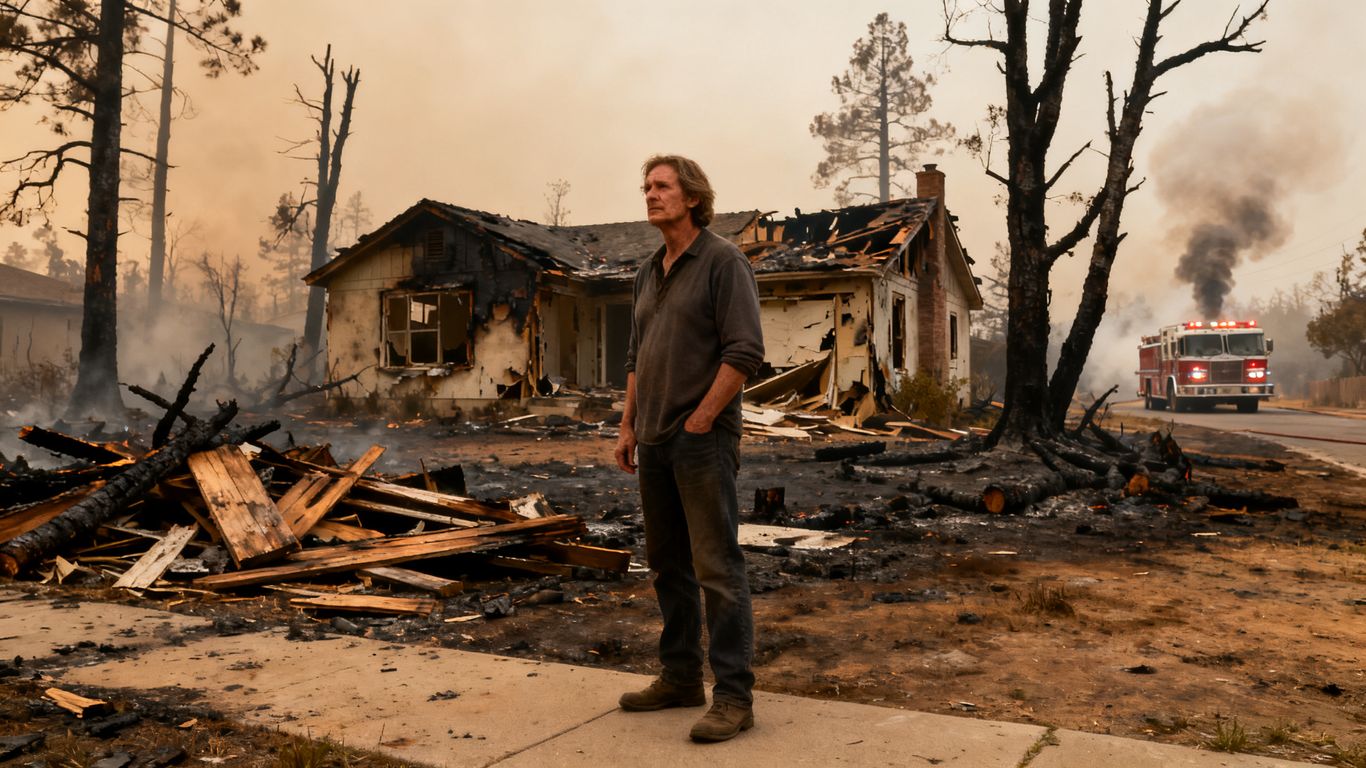
Before a wildfire strikes, it is important to know what your insurance policy covers. Standard homeowners insurance policies typically include fire as a covered peril, meaning damage from flames is generally protected. However, the specifics can differ quite a bit from one policy to another, and your location plays a big role in how much you might pay for coverage. Homeowners in areas with a higher risk of wildfires often face higher premiums and deductibles. It is wise to review your policy annually to make sure your coverage limits are still adequate, especially as rebuilding costs can increase over time. Mercury Insurance offers expert advice on wildfire preparation, which can help you understand your policy better and prepare your home.
What Wildfire Coverage Typically Includes
When a wildfire damages your property, your insurance policy usually breaks down coverage into a few key areas:
-
Dwelling Coverage: This pays to repair or rebuild your actual house, up to the limit stated in your policy. It’s important to note that these limits don’t always increase automatically, so you could be underinsured if construction costs rise.
-
Other Structures Coverage: This covers damage to detached buildings on your property, like garages, sheds, or fences.
-
Personal Property Coverage: This helps replace your belongings inside the home, such as furniture, clothing, and electronics.
-
Additional Living Expenses (ALE): If you’re forced to leave your home due to a wildfire, ALE can cover costs like hotel stays, meals, and other temporary living expenses.
Understanding Policy Exclusions and Limitations
Insurance policies have specific exclusions and limitations that can affect your claim. Some policies might not cover “gradual” damage, like that caused by smoke or soot, arguing it’s not a sudden event. High-value items or luxury features might also have separate limits or require special endorsements. It is vital to read your policy carefully to understand what is not covered. For instance, some policies may exclude damage from events that happen over time, rather than a single, sudden incident. Understanding these details can prevent surprises when you file a claim. Homeowners insurance provides financial protection against many perils, but knowing the exceptions is key.
Specialized Wildfire Insurance Options
For those living in high-risk areas, standard policies might not offer enough protection. Specialized wildfire insurance policies or endorsements can provide higher coverage limits, help with debris removal, and cover landscaping. State-mandated programs, like FAIR plans, are also available in some areas for homeowners who can’t get coverage elsewhere, though they often come with higher costs. Surplus and excess carriers may also offer policies in regions where standard insurers won’t underwrite. These options can fill gaps left by typical homeowners insurance.
Initiating the Wildfire Insurance Claim Process
After a wildfire has impacted your property, taking prompt action is important. The initial steps you take can significantly influence the outcome of your insurance claim. It’s a stressful time, but organizing your response can make a difference.
Immediate Steps After a Wildfire Event
Your safety is the absolute priority. Once it is safe to return to your property, take a moment to assess the situation. Document everything you can before touching or moving anything, if possible. This includes taking clear photographs and videos of the damage from multiple angles. If your home is still standing but affected by smoke or soot, try to contain the spread of contamination by closing doors and windows. If you were forced to evacuate, keep records of all expenses incurred during your displacement. Understanding your policy’s provisions for Additional Living Expenses can be helpful here.
Contacting Your Insurance Provider
Reach out to your insurance company as soon as you can. Most policies have a time limit for reporting a claim, so don’t delay. When you call, be prepared to provide:
-
Your policy number
-
The date and time of the event
-
A brief description of the damage
-
Your contact information
Ask about the next steps in the claims process, including what documentation they will require and the expected timeline. It can be beneficial to have a copy of your policy readily available during this conversation.
Filing Your Claim Within Deadlines
Your insurance policy will specify a deadline for filing a formal claim. Missing this deadline could jeopardize your ability to receive compensation. The insurance company will likely send you claim forms to complete. Fill these out accurately and completely, attaching all the supporting documents you have gathered. Keep copies of everything you submit. If you are unsure about any part of the process or the forms, don’t hesitate to ask your insurance representative for clarification. For those in affected areas, programs like Roadmap to Recovery can offer guidance.
Documenting Your Wildfire Losses
After a wildfire, the next big step is to meticulously document all the damage. This isn’t just about taking a few pictures; it’s about building a clear, detailed record that your insurance company will use to assess your claim. Thorough documentation is your strongest ally in getting a fair settlement. Without it, you might find yourself shortchanged.
Creating a Comprehensive Damage Inventory
Start by making a list of everything that was damaged or destroyed. Think room by room, inside and out. For each item, note its description, brand, model number if applicable, and an estimate of its age and original cost. If you have photos or videos of your belongings before the fire, now is the time to gather them. This inventory should be as detailed as possible. For business owners, this might include equipment, inventory, and furnishings; detailed record-keeping is key to a successful claim.
Preserving Damaged Property and Documentation
Resist the urge to clean up or discard damaged items too quickly. Your insurance adjuster will need to see the actual damage. If it’s safe to do so, leave damaged items in place until the adjuster has visited. This also applies to structural damage; don’t start repairs unless it’s an emergency measure to prevent further damage. Keep all related documents, like your insurance policy, repair estimates, and any communication with your insurer, in a safe place. Consider storing digital copies off-site or in the cloud.
Gathering Supporting Evidence and Receipts
Beyond the inventory of damaged items, collect any other evidence that supports your claim. This could include receipts for repairs you’ve already had to make (like emergency boarding up), invoices for temporary housing if you were displaced, or even notes from conversations with emergency services. If you had any professional assessments done, like an arborist’s report on damaged trees, include those too. For homeowners in high-risk areas, understanding your policy’s scope, including limitations, is critical. You might need to look into specialized wildfire insurance if your current policy has gaps.
The Role of the Insurance Adjuster
After a wildfire, an insurance adjuster will likely be assigned to your case. This person works for the insurance company and their job is to look at the damage to your home and property. They’ll figure out what needs to be fixed or replaced and how much it might cost. It’s important to remember they represent the insurance provider, so while they are there to assess the damage, you also need to be prepared to present your case clearly.
Preparing for the Adjuster’s Inspection
Before the adjuster arrives, take some time to get organized. You’ll want to have a list of all the damage you’ve found. Think about everything: the structure of your house, personal belongings, any outbuildings, and even landscaping if it was affected. It can be helpful to take photos or videos of the damage, too. Having a copy of your insurance policy handy is also a good idea. The more prepared you are, the smoother the inspection process will likely be. If you hired a public adjuster, they will be instrumental in this preparation phase, helping to document everything thoroughly.
Understanding the Adjuster’s Evaluation
The adjuster’s evaluation is a key part of your claim. They will document the damage, often taking their own photos and measurements. They use this information, along with their knowledge of construction costs and insurance guidelines, to determine the value of your claim. It’s important to understand that their initial assessment might not capture everything. Sometimes, damage isn’t immediately obvious, or the full cost of repairs might be higher than initially estimated. Don’t hesitate to ask questions about their findings and how they arrived at their conclusions.
Ensuring All Damages Are Accounted For
Your goal is to make sure every bit of loss is included in the adjuster’s report. If you notice something they missed, bring it to their attention immediately. This could be damage to a specific room, a particular item, or even issues related to smoke and soot that aren’t visible burn marks. If you disagree with their assessment or feel something was overlooked, you have the right to discuss it further. You might need to provide additional documentation, like repair estimates from contractors, to support your position. Remember, this is your home, and you know its condition best. If you feel the adjuster’s report doesn’t fully reflect the extent of the damage, you can request a review of their findings.
Navigating Claim Settlement and Appeals
After the initial assessment and documentation, you will likely receive a settlement offer from your insurance provider. It is important to review this offer carefully. Do not feel pressured to accept the first offer if it does not seem to cover all your losses.
Reviewing the Settlement Offer
When the insurance company presents a settlement, take the time to go through it thoroughly. Compare the offered amount against your own detailed inventory of damages and the estimated costs for repairs or replacement. Look for any discrepancies or areas where the insurer’s valuation seems low. Sometimes, the offer might not account for the full scope of damage, especially for less visible issues like smoke contamination or structural weaknesses that might not be immediately apparent.
Negotiating a Fair Settlement
If the initial offer falls short, you have the right to negotiate. This is where your detailed documentation becomes your strongest asset. Present any additional evidence you have, such as contractor estimates, expert reports, or photos that support a higher claim value. Be prepared to explain why you believe the offer is insufficient. Remember, the goal is to reach a settlement that truly allows you to rebuild and recover. If you’re in California and facing difficulties, seeking help from a professional can be beneficial, as they understand the local insurance landscape consult an attorney.
Appealing an Unfavorable Decision
Should negotiations fail or if your claim is denied outright, you can pursue an appeal. This process involves formally challenging the insurer’s decision. You will need to submit a written appeal, clearly stating your reasons and providing any new or previously overlooked evidence. The California Department of Insurance can be a resource during this time, offering oversight and potentially facilitating a resolution file a complaint with the CDI. It is important to understand that a denied claim is not necessarily the end of the road; with persistence and proper documentation, you can work towards a more favorable outcome.
Addressing Indirect Wildfire Losses
Wildfires can cause damage that isn’t immediately obvious, even if your home is still standing. These indirect losses can be just as disruptive and costly as structural damage. It’s important to know what might be covered under your policy.
Coverage for Smoke and Soot Damage
Even if flames never reached your property, wildfire smoke can cause significant problems. The fine particles and chemicals in smoke can seep into your home, leading to:
-
Damage to insulation and drywall.
-
Contamination of HVAC systems, requiring professional cleaning or replacement.
-
Lingering odors in carpets, upholstery, and clothing.
-
Corrosion of electronics and other sensitive items.
These types of damages often require specialized cleaning and remediation services that may be covered by your insurance. It is important to document any signs of smoke or soot, such as discoloration or persistent smells, as evidence for your claim. You can find more information about what homeowners insurance generally covers here.
Additional Living Expenses During Displacement
If a wildfire forces you to leave your home, even temporarily, your policy may cover the costs associated with your displacement. This is often referred to as Additional Living Expenses (ALE). ALE can help reimburse you for:
-
Hotel stays or temporary rental accommodations.
-
Increased food costs if your kitchen is unusable.
-
Laundry services.
-
Pet boarding fees.
-
Transportation costs beyond your normal commute.
Even if your home sustained no physical damage, an evacuation order alone can trigger ALE coverage if your policy includes it. This coverage is designed to help you maintain a similar standard of living while you cannot occupy your home.
Business Interruption and Other Indirect Impacts
For business owners, wildfires can lead to losses beyond physical property damage. Business interruption coverage may apply if the wildfire prevents you from operating your business, even if your building was not directly damaged. This can include:
-
Lost profits due to closure or reduced operations.
-
Ongoing operating expenses, such as rent and payroll.
-
Costs associated with relocating temporarily.
Additionally, properties in wildfire-prone areas might experience a devaluation, even if they were not directly impacted by a fire. Understanding these less obvious impacts is key to filing a complete claim. Many policies cover these less obvious damages if you know what to look for.
Potential Reasons for Claim Denials
It can be disheartening when an insurance claim for wildfire damage is denied. Understanding why this might happen is the first step toward addressing the issue. Insurers often look for specific reasons, and sometimes these reasons are based on the fine print of your policy or how the claim was handled.
Several common factors can lead to a denial:
-
Policy Lapses and Non-Compliance: One of the most straightforward reasons for denial is if your policy was not active at the time of the fire. This could be due to missed premium payments, leading to a lapse in coverage. It’s important to keep up with your payments to avoid this. Also, if you haven’t maintained your property according to policy requirements, such as creating defensible space or performing necessary maintenance, an insurer might argue negligence contributed to the loss.
-
Unclear Policy Language and Exclusions: Insurance policies can be complex, and sometimes the language used is not immediately clear. Your policy might have specific exclusions that limit coverage for certain types of damage, even if they are wildfire-related. For instance, some policies may not cover gradual damage from smoke or soot, or they might have limits on high-value items without specific endorsements. If the policy language is ambiguous, it’s often interpreted in favor of the policyholder, but this can still lead to disputes.
-
Insufficient Documentation or Missed Deadlines: The claims process requires thorough documentation. If you cannot provide adequate proof of the damage or the value of your lost items, the insurer may deny your claim. This includes not having photos or videos of your property before the fire, lacking receipts for belongings, or failing to get repair estimates. Equally important is filing your claim within the timeframe specified by your policy and state regulations. Missing these deadlines can forfeit your right to compensation. If your claim is denied, you can request a written explanation from your insurer detailing the specific policy language and rationale behind their decision. It’s also wise to consult with a professional who can help clarify your policy terms and gather necessary evidence.
Sometimes, disputes arise over the extent of the damage, especially with smoke and ash contamination, which can be hard to prove. Insurers might argue that the damage predates the fire or came from another source. In such cases, expert assessments and detailed reports become critical. If you believe your claim was unfairly denied, exploring options like filing a complaint with the California Department of Insurance or seeking legal counsel can be beneficial.