

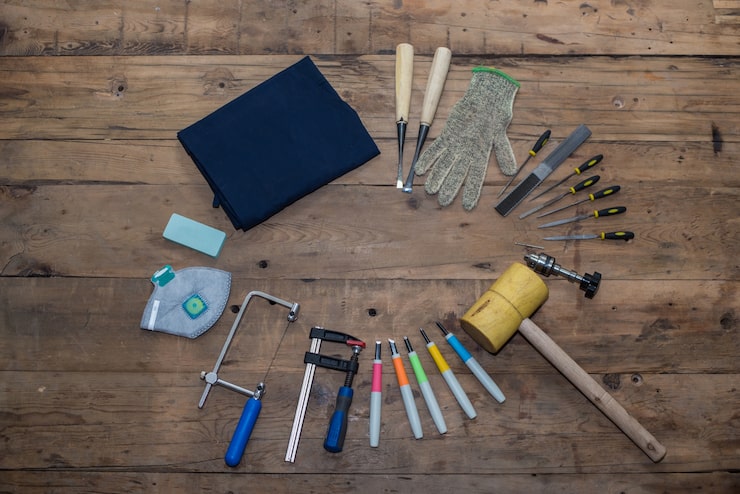
Drywall and texture work demands precision, efficiency, and consistency. While skill and experience are essential, the right accessories can make all the difference on the jobsite. High-quality tools help contractors work faster, minimize waste, achieve cleaner finishes, and reduce fatigue during long projects. Whether you’re outfitting a new crew or upgrading your existing toolkit, here are the top 10 accessories every drywall and texture contractor should own.
1. Drywall Knives and Trowels
Every contractor needs a reliable set of drywall knives and trowels in a variety of widths. Wider blades help feather out seams, while smaller knives are perfect for tight corners and patch work. Stainless steel options resist corrosion, while flexible blades help produce smoother finishes with less effort. Investing in high-quality knives reduces streaking, gouging, and rework.
2. Mud Pans and Mud Tubs
Mud pans and mixing tubs are essential for holding, mixing, and transporting joint compound. Lightweight, stainless steel pans are preferred for durability and ease of cleaning, while larger tubs accommodate mechanical mixers and bigger batch work. A good mud pan allows contractors to work more efficiently, especially when installing tape or skim coating large surfaces.
3. Mechanical Texture Spray Guns
For texture contractors, a texture spray gun (often paired with a hopper) is indispensable. These guns make it easier to apply common finishes such as orange peel, knockdown, and popcorn texture. Adjustable air and material flow allow for greater control and customization across different ceilings and wall surfaces. Consistency is key when texturing, and a reliable gun ensures uniform results every time.
4. Air Hoses and Fittings
Without dependable air hoses and fittings, texture guns and certain finishing tools won’t perform properly. Contractors should select hoses rated for jobsite conditions, often preferring thicker, abrasion-resistant outer jackets to withstand rough surfaces. Quality fittings ensure secure connections, prevent pressure loss, and reduce downtime due to leaks or loose seals.
5. Sanding Tools and Abrasives
From pole sanders to hand blocks to powered sanding systems, sanding is a significant part of drywall finishing. Superior abrasives cut faster, last longer, and reduce dust generation—benefits that both contractors and clients appreciate. For higher-end work, vacuum-assisted or dust-free sanding systems help keep indoor environments clean and compliant with workplace safety standards.
6. Drywall Taping Tools
Automatic taping tools dramatically speed up production by applying tape and mud in one motion. While manual taping is still common, automatic systems improve finish consistency, reduce arm fatigue, and allow crews to complete large jobs in less time. Accessories such as corner rollers, angle heads, and mud pumps expand the system’s efficiency across complex areas like corners and angles.
7. Mixing Drills and Paddles
Joint compound, texture materials, and setting-type mud require consistent mixing for proper application and adhesion. A heavy-duty mixing drill paired with the right paddle ensures lump-free, workable compound. Dual-paddle and adjustable-speed models help reduce air bubbles and improve texture suspension—two details that make a noticeable difference in the final finish.
8. Safety Gear and PPE
Dust masks, respirators, gloves, and safety glasses should be standard on every drywall jobsite. Sanding and spraying produce fine dust that can irritate the lungs and eyes, while sharp edges from knife blades and metal corner bead pose injury risks. In addition to personal protective equipment, contractors may use tarps, plastic sheeting, and floor covering to protect client property and maintain cleaner working conditions.
9. Step Stools and Scaffolding
Finishing ceilings and upper wall sections requires secure working platforms. Adjustable scaffolding, ladders, and step stools help contractors maintain reach, stability, and accuracy. Rolling scaffolds are particularly useful on texture jobs where significant ceiling surface must be covered quickly without repeated setup and teardown.
10. Storage and Transport Accessories
Staying organized saves time. Tool bags, buckets, and protective cases help contractors keep small parts, knives, and accessories easily accessible. Proper storage also prolongs tool life by protecting sharp blades, sealing off abrasives, and keeping fittings and hoses free from dust and damage during transport.
Final Thoughts
Drywall and texture contractors rely on both craftsmanship and equipment. While the right tools don’t replace skill, they improve productivity, consistency, and client satisfaction—three areas that set top-tier contractors apart from the competition. Evaluating and upgrading accessories periodically ensures crews remain efficient, jobs finish faster, and results look better.